Every model has its own dialect. We speak all of them.
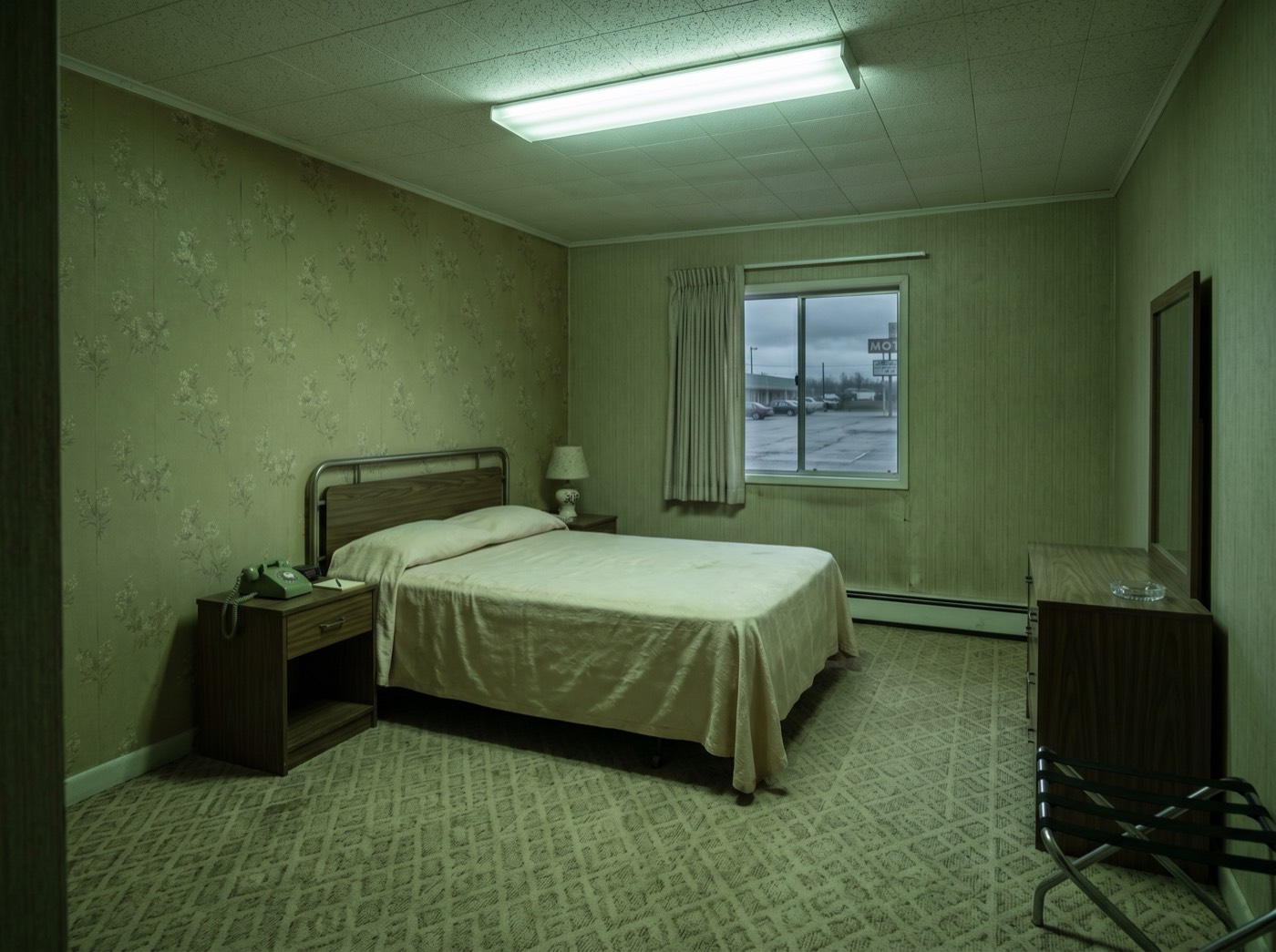
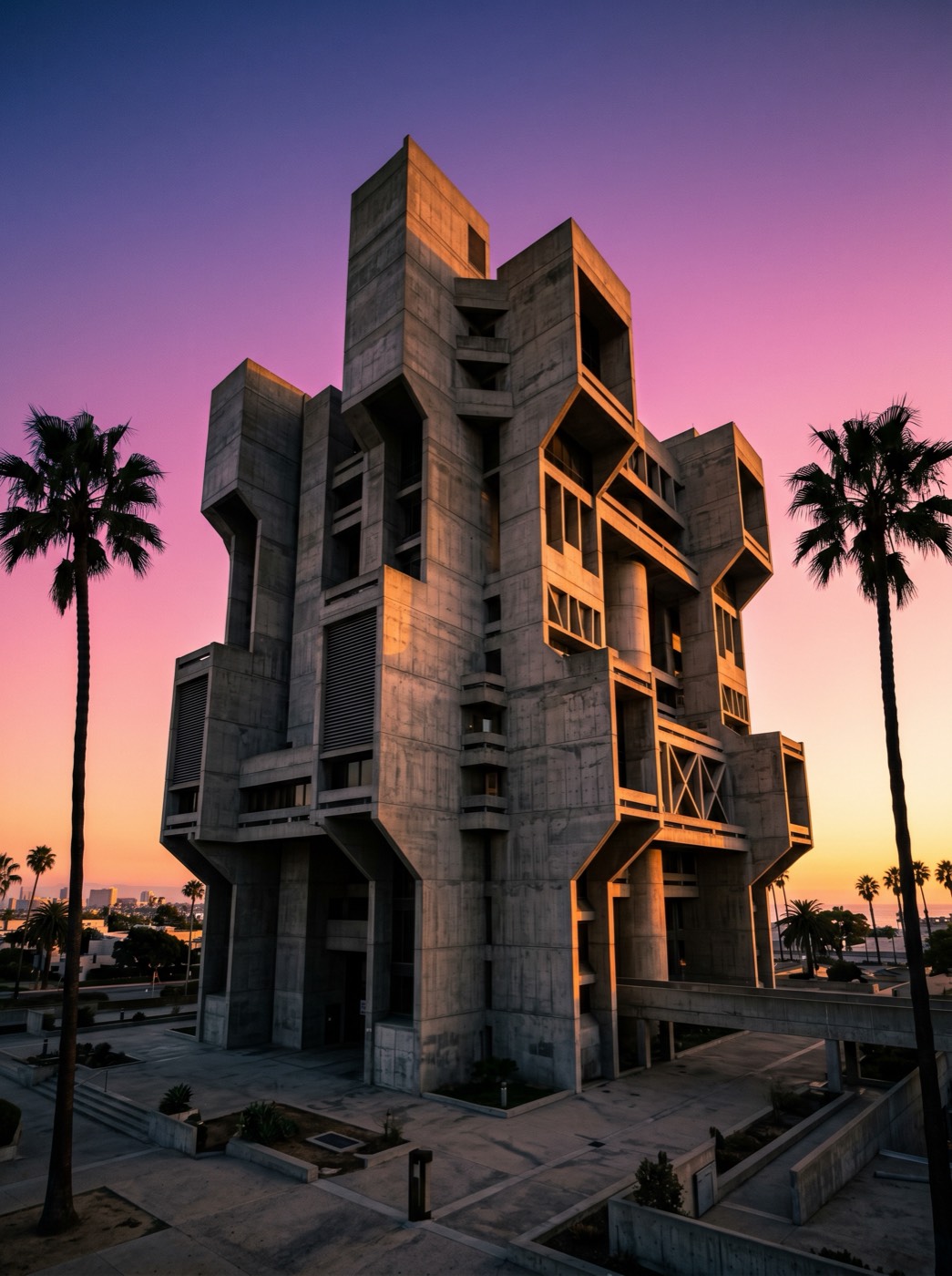
The photorealism king.
Flux 1.1 Pro is Black Forest Labs' flagship. It's the model you use when the brief says 'make it look real.' Exceptional at natural lighting, skin textures, and complex scenes with multiple subjects. The prompt dialect is clean and descriptive – no special tokens needed.
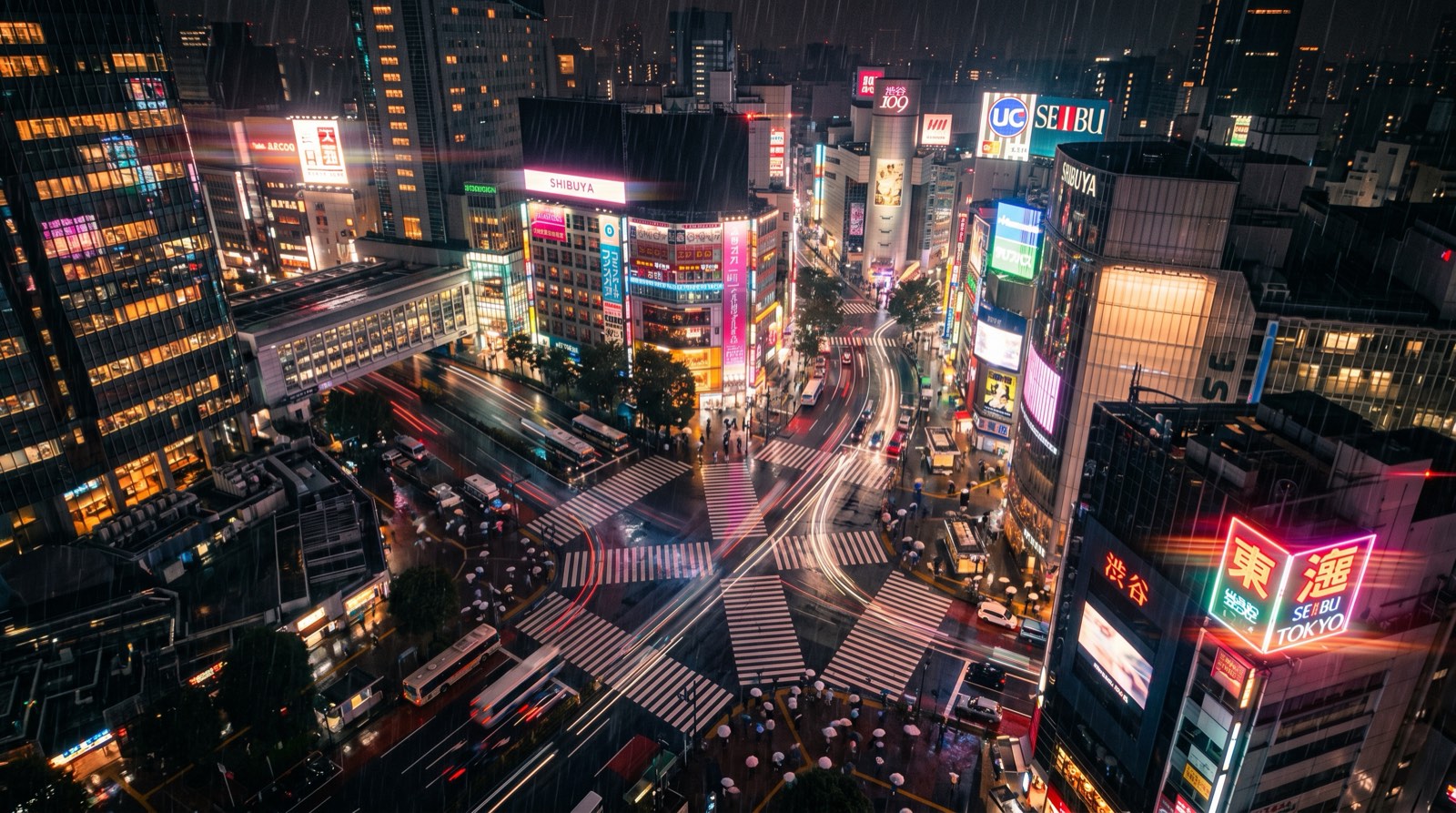
Still the dreamiest.
Midjourney v7 generates images with a distinct painterly quality that no other model has fully replicated. Cinematic, slightly surreal, compositionally confident. The model has its own aesthetic fingerprint – lean into it.
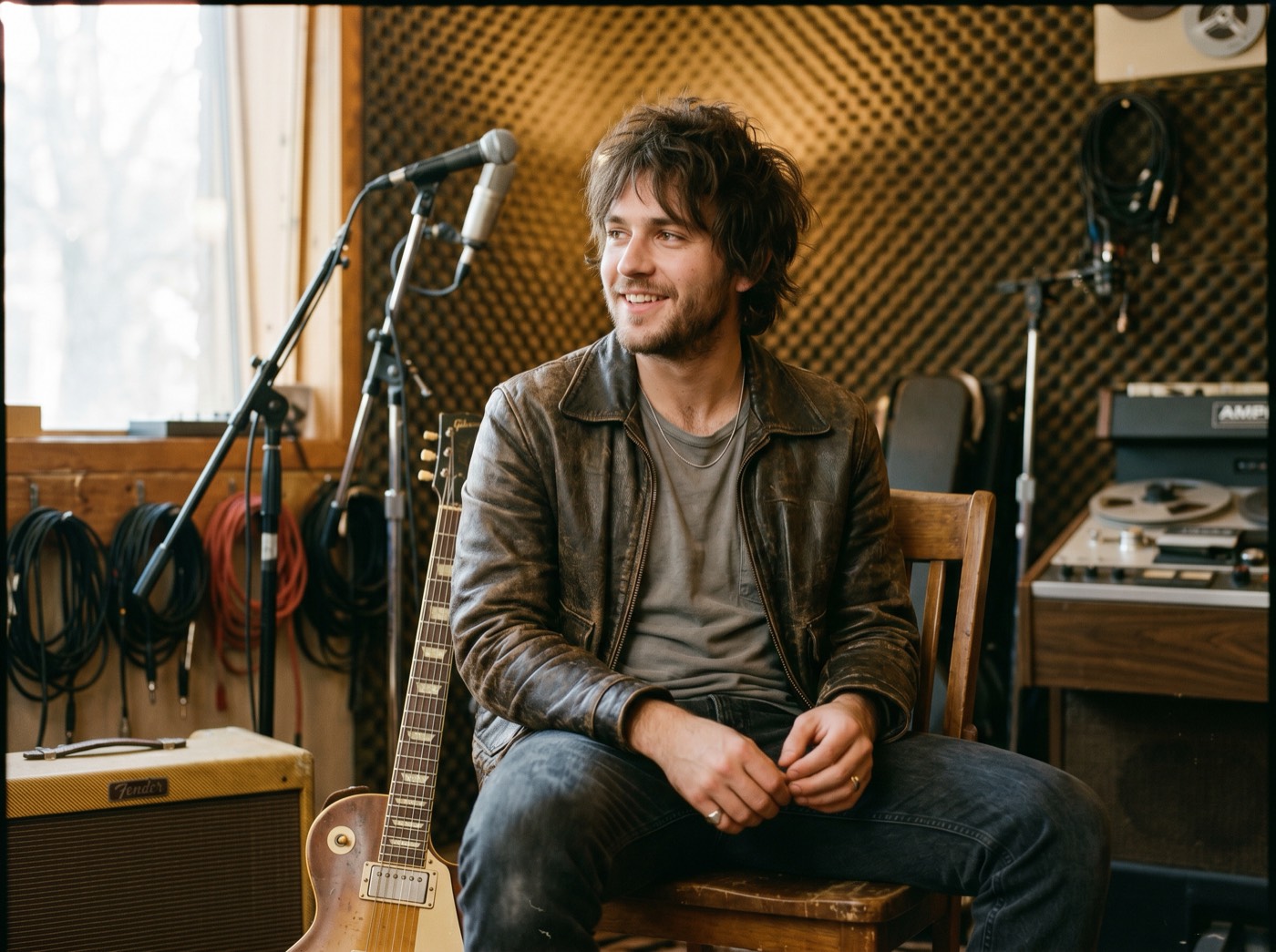
Character consistency that actually works.
Nano Banana Pro is the model for anything involving consistent characters across multiple shots. It's a Google-backed architecture and it shows – exceptional instruction following, consistent facial features, strong typography rendering.
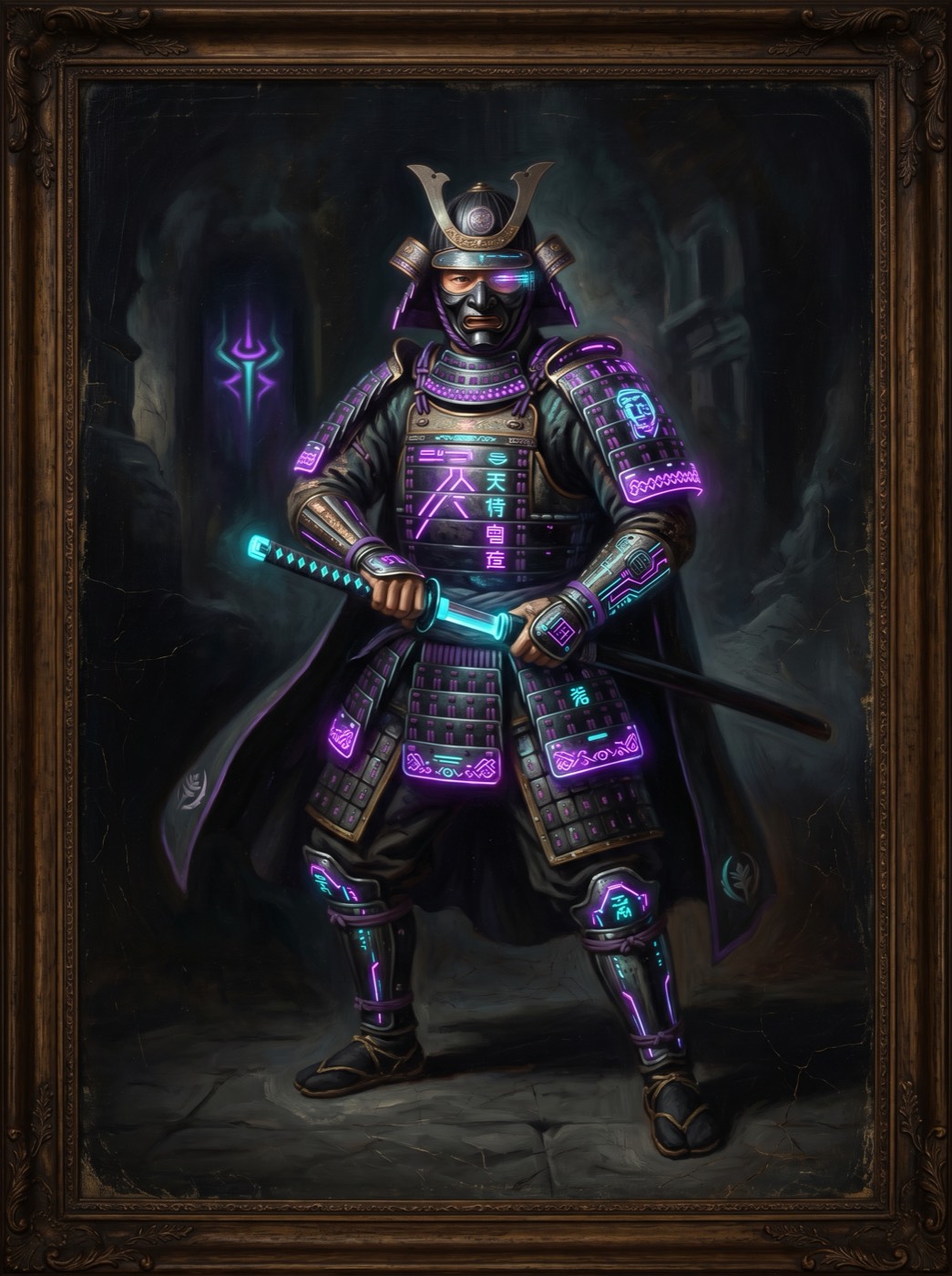
Open source and actually good now.
Stable Diffusion 3.5 Large finally delivers on the promise of open-source image generation. Run it locally, fine-tune it, merge it. The prompt dialect evolved significantly from SD1.5 – shorter prompts with clear subject-first structure work best.
Video prompting without the motion blur mess.
Seedance 2 from ByteDance is the most controllable video generation model we have tested. Camera movements follow instructions reliably, motion is smooth without that AI-blur quality, and 5-10 second clips hold together narratively.
Google's cinematic video model.
Veo 3.1 is Google DeepMind's video generation model and it produces genuinely cinematic footage. Lighting is exceptional, human movement is natural, and the model handles complex scene transitions. The prompt format borrows from screenwriting.